
RECIPES

QUICK ANSWER
A balanced cappuccino is 1:1:1 — one part espresso, one part steamed milk, one part microfoam. Steam cold whole milk to 60–65°C; total time 4 minutes.
Time: 4 minutes · Equipment: Espresso machine + Milk frother · Yield: 1 cup (150–180ml) · Cost: ~EGP 12 per cup
✅ Tested by Amr Taha · Brew Tech Reviewer · The Corner Bundle
A balanced cappuccino is one part espresso, one part steamed milk, one part foam — and it stays balanced from the first sip to the last.
Why this works
The 1:1:1 ratio is the magic. Too much milk and you’ve made a latte. Too much foam and you’ve made a dry capp that goes flat fast.
Ingredients
- 18g whole bean coffee
- 120ml fresh whole milk (cold)
- A pinch of cocoa or cinnamon (optional)
How to make cappuccino at home
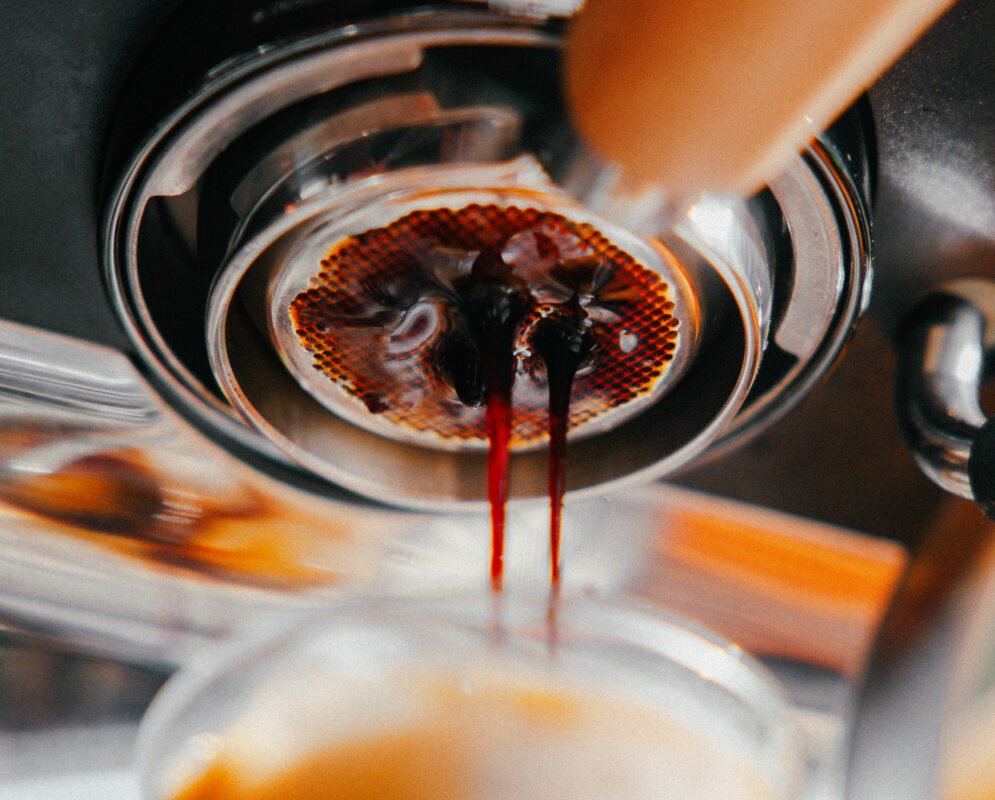
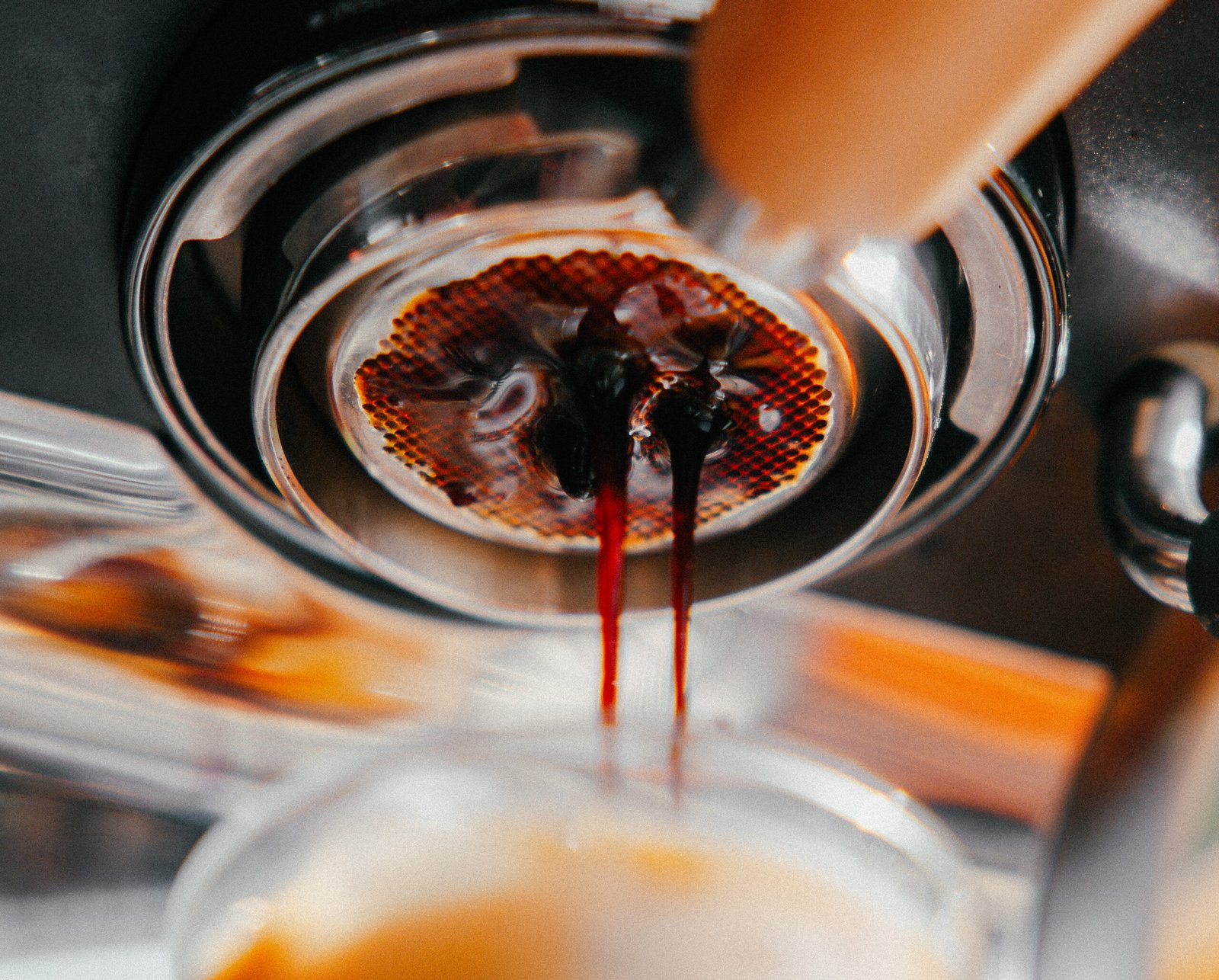
- Pull a double shot (36g) into a 180ml cup. Heated cup keeps the drink warm twice as long.
- Pour cold milk into a frothing pitcher to the halfway mark. More milk = harder to control texture.
- Steam the milk to 60–65°C. Hotter than that = burnt milk.
- Tap the pitcher twice on the counter, swirl to break large bubbles. You want microfoam — paint, not bubble bath.
- Pour from low and close. Foam sits on top; milk fills the middle.
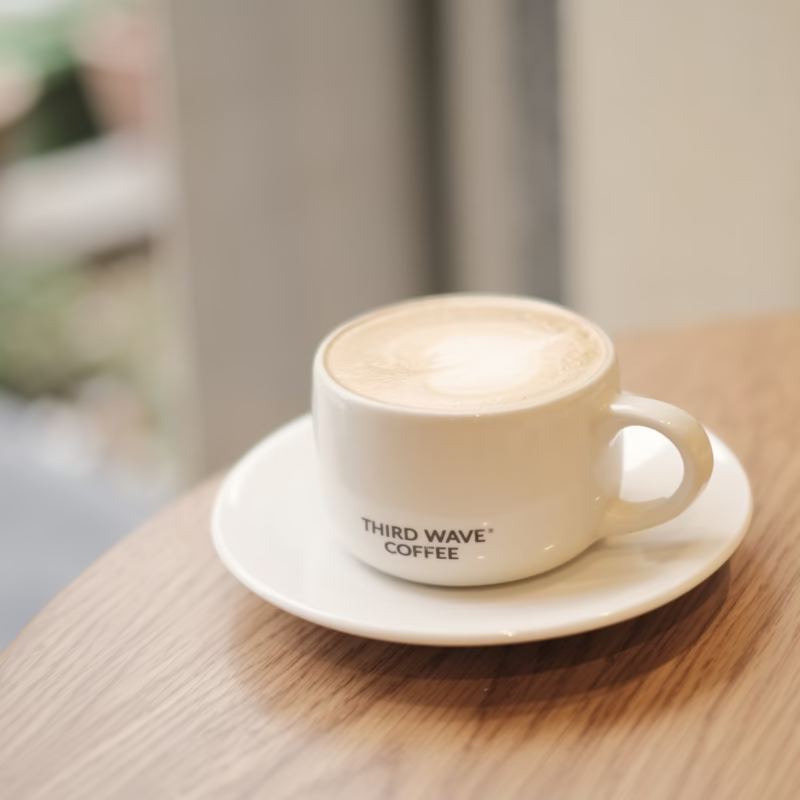
💡 Tip: Cold, fresh milk froths better than warm or older milk. If your foam keeps collapsing, your milk is the problem, not your technique.
Common questions
What’s the difference between cappuccino and latte?
A cappuccino is 1:1:1 (espresso, milk, foam) in a smaller cup. A latte is 1:3 (espresso to milk) with a thin layer of foam, in a larger cup. The cappuccino has a denser foam layer.
Can I make a cappuccino without a milk frother?
Yes — heat milk in a saucepan to 60°C, then shake vigorously in a sealed jar for 30 seconds, or use a French press by plunging up and down rapidly.
Why does my milk foam collapse?
Old milk, too-warm milk, or too-aggressive frothing. Use cold whole milk that’s within 2 weeks of its sell-by date, and steam to 60–65°C.